


Mar-a-Lago Face? Not in Sarasota.
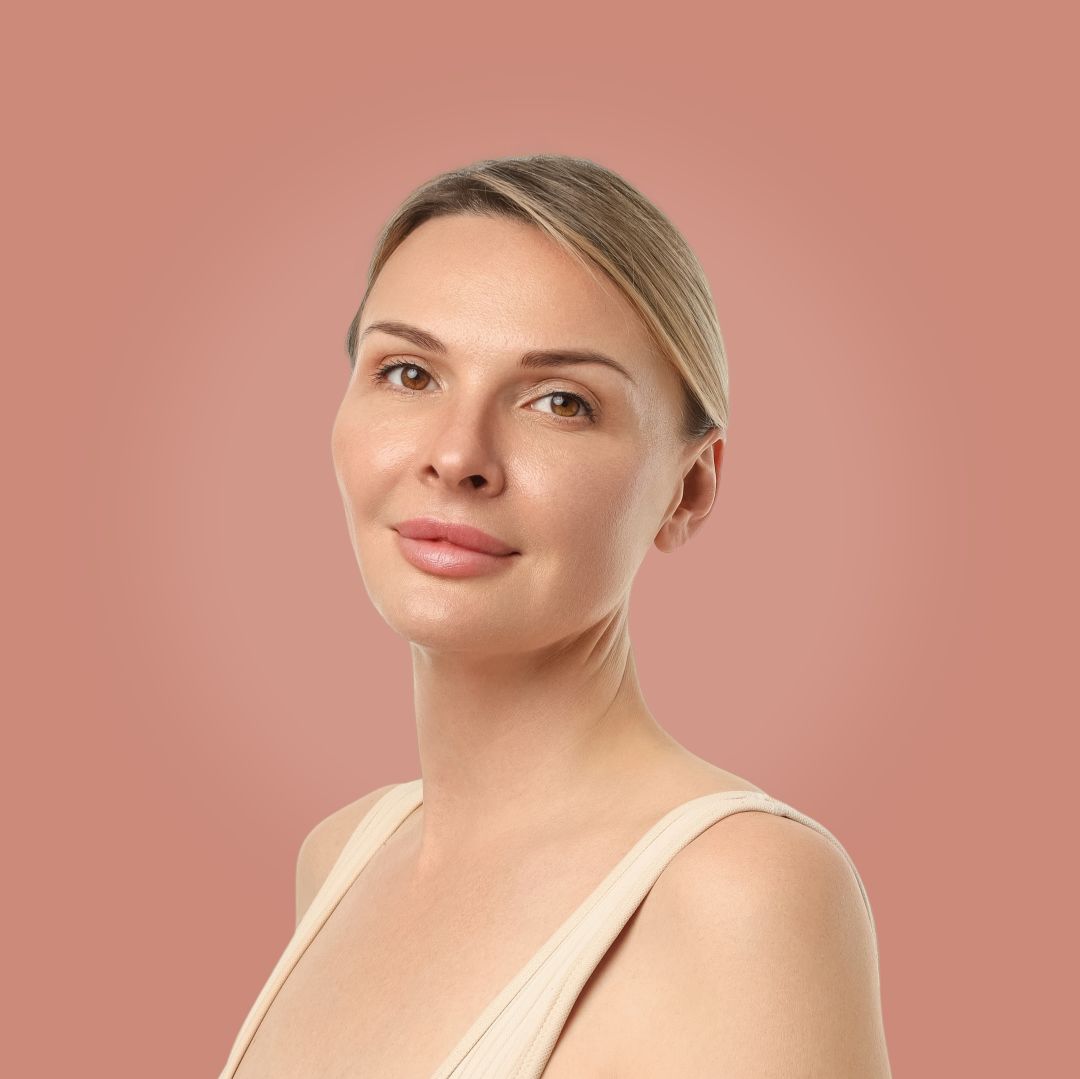
Severe jaws, razor-sharp cheekbones and lips to make Mick Jagger blush—the so-called “Mar-a-Lago face” is all the rage in Washington, D.C., and Palm Beach. But Sarasotans, at least for the time being, seem to prefer a subtler touch for their plastic surgery.
“Fortunately for us, Sarasota is not a market for overdone [work],” says Dr. Scott Engel of the Sarasota Plastic Surgery Center. “Some people have a Gucci purse because they want people to know they have a Gucci purse. That’s not my philosophy. If you know someone has had plastic surgery, that’s bad plastic surgery.”
While the popularity of plastic surgery rises and falls in other areas, Engel says that Sarasota, with its consistently affluent population, has remained eager for nips and tucks over the last three decades that he’s been practicing here. In fact, these days he sees much younger clientele than the traditional 65-and-up bracket.
“The biggest trend is that people are really attacking facial aging much quicker and younger,” he says, citing patients in their 30s and 40s who come to him for laser resurfacing, facelifts and fat grafts. “If you do it early, people don’t recognize that you aged.”
But, he adds, “If you start early, you have to be careful about overdoing it.”
One factor in plastic surgery’s current popularity? GLP-1 weight-loss drugs causing so-called “Ozempic face.” The gaunt, sagging look, caused by rapid weight loss, can be rejuvenated with fillers and other techniques to add volume.
Engel also attributes today’s plastic surgery market to an increased willingness to talk honestly about it, reducing some of the taboo around “getting work done.” In years past, celebrities like Kris Jenner might have tried to play off their appearance as pure genetic fortune. Now, Jenner and others have openly shared their cosmetic journeys. (In Jenner’s case, that journey includes multiple facelifts, Botox, breast implants and earlobe reduction.)
Unfortunately, that destigmatizing of cosmetic procedures, combined with AI-enhanced images and the immediacy and ubiquity of social media, means that there’s more focus on appearance than arguably any other time in history. And that can lead to an unhealthy compulsion to have plastic surgery. (Engel admits his own 16-year-old daughter has asked for filler. “If you can’t vote, I’m not going to do that,” he told her.)
In fact, much of the onus for poor plastic surgery decisions falls on the surgeons themselves. Engel says he takes great pains to consult and educate his patients, to manage their expectations, and to ensure that whatever procedure they agree upon will result in a positive psychological outcome. Many people have very clear hang-ups about a particular aspect of their appearance that can be easily fixed. But in some cases, plastic surgery can’t solve their issues.
“I turn people down for surgery all the time,” Engel says, either because “they don’t have realistic expectations or they’re not healthy enough for surgery.”
Other doctors, however, may succumb to financial pressure and perform excessive procedures, including, in some cases, surgeries they’re not even qualified to perform. Engel says he’ll tell patients that if they’re determined to find someone to do a procedure, they will—”but if you were my family, I would not do the surgery.” Or, he adds, “[I’ll say], ‘If you want me to do that, I’ll do it, but I think it’s going to look terrible.’”
Those less-scrupulous doctors are how trends like Mar-a-Lago face gain traction. The procedures involved—the more invasive deep-plane facelift, upper lift lip, cheek contouring with fillers—aren’t even new. But they’ve been repackaged to be marketed to a new audience.
“The deep plane facelift has been around for 50 years,” says Engel. “People are trying to get an edge up. They’ll take a regular run-of-the-mill facelift and call it something to make it sound like you’re doing something that other people are not. The gold standard has been cheapened by these marketing schemes.”
Engel says he speaks to colleagues in places like Beverly Hills and Manhattan who grapple with pressures to perform whatever procedures are popular this season. In some cases, the procedures become so commonplace that they alter the concept of what a “normal” appearance looks like. Even the doctors themselves start to see extremely altered faces as the new norm.
“That’s been the challenge about trends: People just want to say that they’ve had that particular procedure, but that may not be the one for you,” Engel says, adding that Sarasotans aren’t so easily swayed. “The majority of people in our community are not doing it for the status symbol. They’re doing it to feel better about themselves.”
In the end, a plastic surgeon who will give you exactly what you want may not be the best choice—especially in an area that favors subtlety and refinement.
“When people bring in pictures saying, ‘I want to look like this celebrity,’ that’s an outright ‘no’ in my book. There’s a psychological problem there,” says Engel. The Mar-a-Lago face, he adds, “really looks like an overdone, over-operated kind of look. We don’t see that in Sarasota.”
What It Costs
Surgeons report that the Mar-a-Lago look costs $90,000 to achieve and $2,500 a year to maintain. Here are the estimates from Sarasota Plastic Surgery Center.
$4,000-$6,000
C02 laser resurfacing
$18,000-$40,00
Deep-plane facelift*
$15 per unit
Botox (most clients need about 40 units)
$7,000-$9,000
Blepharoplasty (upper eyelid surgery)
$5,000
Fat grafting (alternative to fillers)
$1,600-$2,400
Injectable fillers
(cheeks)
$5,000-$7,000
Upper-lip lift
$600-$1,000
Chin fillers
*Estimate based on other surgeons’ statements. Sarasota Plastic Surgery prefers a less invasive facelift.