

Selby Gardens Botanist Discovers Three New Plant Species

Image: Courtesy Photo
Selby Gardens botanist Dr. John L. Clark can't stop, won't stop.
In 2022, Clark was part of a team that discovered a new plant species called Amalophyllon miraculum—or ″miracle plant”—in an area of Ecuador that botanists had almost entirely written off because of deforestation.
In 2025, he and a team of researchers discovered four more new plant species after extensive field research in the rainforests of Colombia, Ecuador and Peru.
Now, Clark has discovered three new species of tropical air plants in the Ecuadorian Andes at the Cerro Candelaria Reserve. The plants, which are members of the genus Glossoloma (Gesneriaceae), were found along a single trail in one day.
Ecuador's rainforests have become increasingly vulnerable to deforestation and agricultural development. The three new species are named after three people who collaborated to conserve one of the last remaining pieces of Andean forest in the country's Pastaza Valley. Each name recognizes a different contribution.
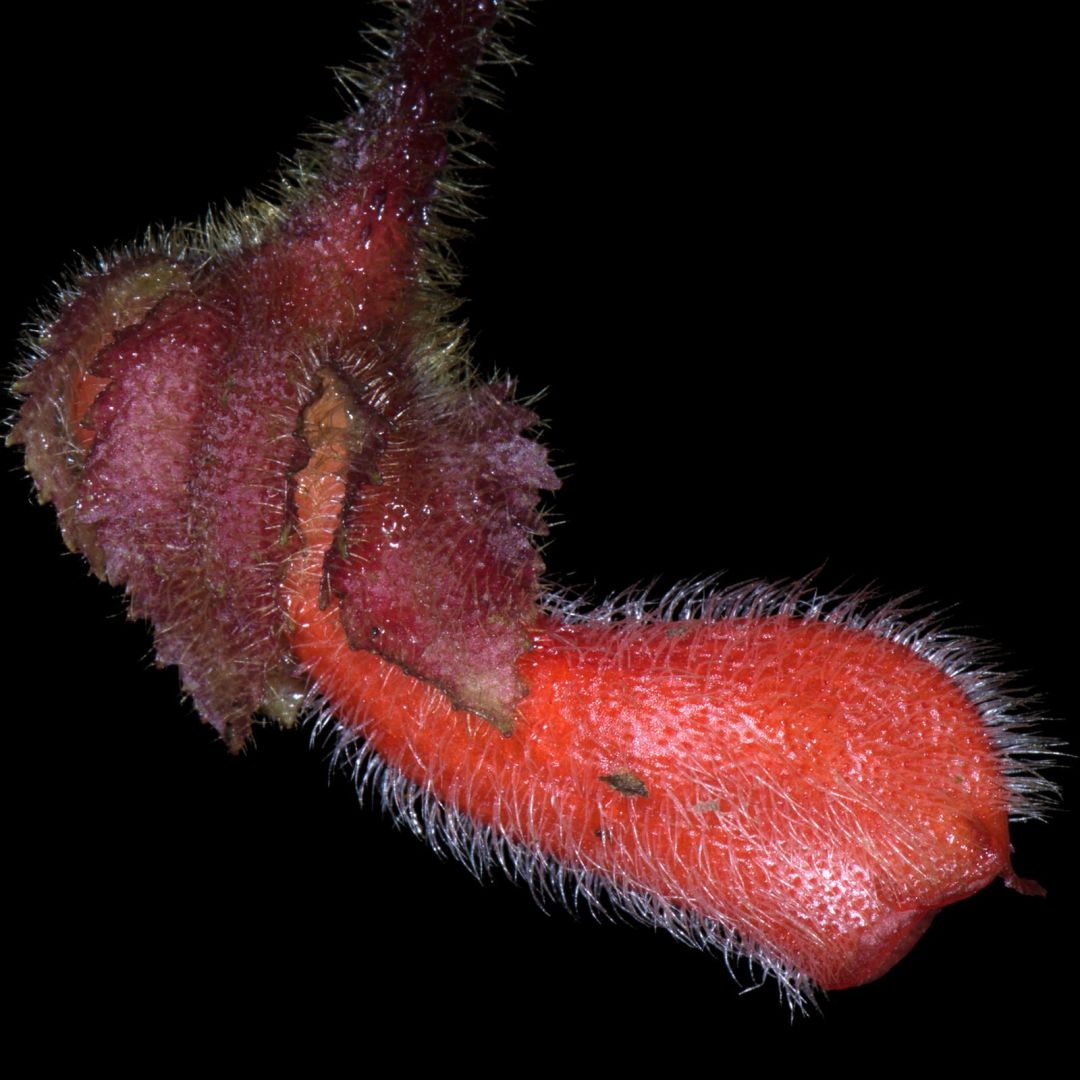
Image: Courtesy Photo
Glossoloma jostii honors Lou Jost, a botanist, conservationist and the co-founder of Fundación EcoMinga. His work has helped establish reserves and bring international attention to the Pastaza Valley as a biodiversity hotspot.

Image: Courtesy Photo
Glossoloma puroanum is named for Puro Coffee, founded by Andy Orchard, whose support through the World Land Trust helped establish and sustain the Cerro Candelaria Reserve, where the plants were found.

Image: Courtesy Photo
Finally, Glossoloma recaldeorum is named for the Recalde family of El Placer, long-time park guards and local stewards, who monitor trails, observe wildlife and protect the reserve on a daily basis.
The new species have been published in the peer-reviewed journal PhytoKeys. Clark also wrote an article for Pensoft highlighting their importance.
“This discovery is really a testament to what I think of as a conservation trifecta—where leadership, funding, and local stewardship come together to protect biodiversity," Clark said in a press release announcing the discoveries. "The Cerro Candelaria Reserve exists because of that alignment, and these three new Glossoloma species are tangible evidence of what such collaboration can safeguard. It’s a reminder that conservation works best when it is shared—and sustained—across scientists, communities, donors, and organizations.”

Image: Courtesy Photo
While most people know Selby Gardens for its beautiful bayfront location and stunning collection of orchids, Clark is quick to point out that the gardens also stands out for its emphasis on research.
“We have a group of researchers who are actively looking at evolutionary relationships and documenting plants in very unique areas,” he told us in 2024. “It’s not enough to say, ‘The forest is important,’ especially nowadays. You have to give reasons why, and biodiversity is a way to communicate to the broader community about why an area needs to be conserved. We are able to use the taxonomy of plants to provide information about why areas are unique.”